

Creative Approaches in Child and Youth Therapy: Healing Through Play, Expression, and Connection
- Crystal Gagne
- Sep 19, 2025
- 5 min read

Updated: Dec 2, 2025
In today’s fast-paced world, children and youth face a complex web of emotional, social, and developmental challenges. From academic pressures to shifting family dynamics, the landscape can feel overwhelming. As therapists, we have the privilege of guiding young people through these turbulent seasons. One of the most powerful ways to do so is through creative, developmentally attuned approaches.
At Phoenix & Feather Counselling, I integrate creative modalities with a foundation in Psychoanalytic, Adlerian, Person-Centered, and Solution-Focused Therapy. These approaches allow me to meet children where they are—emotionally, developmentally, and symbolically. Together, we can help them rise through connection, expression, and empowerment.
The Power of Play Therapy
Play is the language of children. It’s how they explore, communicate, and make sense of their world. As a passionate advocate for Play Therapy, and currently pursuing certification in this modality, I believe deeply in its healing power.
Play Therapy creates a non-threatening space where children can express emotions, reenact experiences, and build skills—all through their natural medium of play.
Benefits of Play Therapy
Emotional Expression: Children often act out feelings they can’t yet verbalize.
Safety and Comfort: Play reduces anxiety and fosters openness.
Skill Building: Through play, children develop problem-solving, emotional regulation, and social skills.
For example, a child processing grief might use dolls or figures to recreate comforting rituals. This symbolic play offers insight and emotional release that traditional talk therapy may not access.
Art Therapy: A Canvas for Inner Worlds
Art Therapy invites children and youth to express their emotions visually. Rooted in Psychoanalytic and Person-Centered principles, it honors the unconscious and provides a safe, creative outlet.
How Art Therapy Supports Healing
Visual Expression: Children can draw or paint what they feel but cannot say.
Therapeutic Process: Creating art promotes relaxation and emotional regulation.
Dialogue Starter: Artwork becomes a bridge to deeper conversations.
A teen might paint a stormy landscape to represent inner turmoil. Exploring the image together can reveal themes of isolation, fear, or resilience.
Music Therapy: The Rhythm of Connection
Music Therapy resonates with children and youth on an emotional and sensory level. It aligns with Adlerian values of belonging and Solution-Focused goals of empowerment.
Benefits of Music Therapy
Emotional Release: Music helps clients connect with and express emotions.
Cognitive Engagement: Writing lyrics or composing music fosters insight.
Group Bonding: Collaborative music-making builds community and trust.
A group of adolescents might write a song about overcoming anxiety. This shared creative act fosters connection and self-expression.
Storytelling: Rewriting the Narrative
Storytelling is a timeless tool that helps children make sense of their experiences. It draws from Psychoanalytic exploration and Solution-Focused reframing.
Why Storytelling Matters
Relatability: Stories help children see themselves in others.
Perspective Shift: Narratives offer new ways to view challenges.
Empowerment: Creating stories allows children to become the heroes of their own journey.
A child might invent a tale about a phoenix rising from ashes—mirroring their own path through trauma and healing.
Mindfulness and Movement: Grounding the Body and Mind
Mindfulness and movement practices help children regulate emotions and stay present. These techniques support Person-Centered safety and Adlerian self-awareness.
Mindfulness Practices
Breathing Exercises: Calm the nervous system and prepare for deeper work.
Body Awareness: Yoga or guided imagery fosters emotional and physical connection.
Nature Connection: Outdoor sessions promote calm and reflection.
Before discussing a difficult topic, I might guide a child through breathing and grounding exercises. This creates emotional readiness and safety.
Integrating Technology: Digital Tools for Expression
Technology can enhance creative counseling, especially for tech-savvy youth. It supports Solution-Focused engagement and Person-Centered accessibility.
Digital Tools in Therapy
Interactive Apps: Gamified tools increase motivation and participation.
Creative Platforms: Music and art apps offer new modes of expression.
Remote Support: Online resources extend care beyond sessions.
A teen might use a digital collage app to express identity themes. This becomes a springboard for exploration and affirmation.
Building a Safe Space: The Heart of Creative Therapy
Regardless of the modality, emotional safety is the foundation of healing. Person-Centered Therapy reminds us that empathy, congruence, and unconditional positive regard are essential.
Elements of a Safe Space
Non-Judgmental Presence: Children need to feel accepted as they are.
Consistency: Predictable sessions build trust.
Active Listening: Validating feelings fosters deeper exploration.
I often begin sessions with a gentle check-in, allowing the child to share what’s present for them. This ritual builds rapport and emotional safety.
The Journey Ahead: Creativity as a Path to Healing
Creative approaches in child and youth therapy are more than techniques—they’re invitations to explore, express, and transform. Whether through play, art, music, storytelling, or movement, these modalities help children access their inner wisdom and build resilience.
At Phoenix & Feather Counselling, I integrate these creative tools with a foundation in Psychoanalytic insight, Adlerian encouragement, Person-Centered safety, and Solution-Focused hope. Together, they create a dynamic, empowering space where children and youth can rise.
In the end, our goal is simple and profound: to help young people feel seen, heard, and capable of healing. Creativity is the spark—and every session is a step toward transformation.
Embracing the Journey of Healing
As we navigate the complexities of childhood and adolescence, it’s essential to remember that healing is a journey. Each child’s path is unique, filled with its own challenges and triumphs. Embracing this journey requires patience, understanding, and a willingness to explore.
At Phoenix & Feather Counselling, I am committed to walking alongside children and families. Together, we can uncover the strengths that lie within. By fostering resilience through creative expression, we can help young people not only cope with their challenges but also thrive.
The Role of Family in Therapy
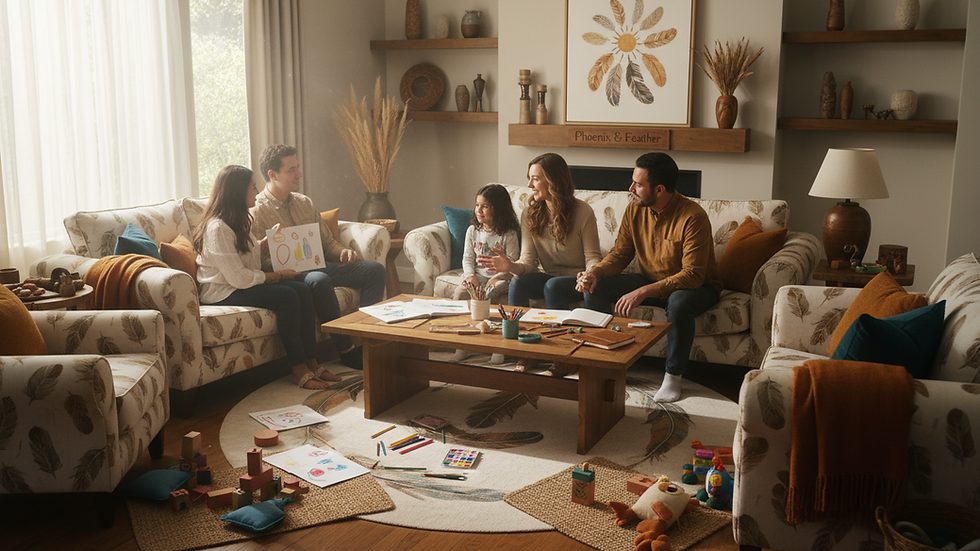
Family plays a crucial role in the healing process. When families engage in therapy, they create a supportive environment that nurtures growth and understanding. I encourage open communication and collaboration among family members. This approach ensures that everyone feels involved and valued in the therapeutic journey.
Celebrating Small Victories
Every step forward, no matter how small, deserves recognition. Celebrating these victories can boost a child’s confidence and motivation. Whether it’s expressing a difficult emotion or trying a new creative technique, acknowledging progress is vital. It reinforces the idea that healing is possible and that each effort counts.
Conclusion: A Call to Action
As we conclude this exploration of creative therapy, I invite you to consider the power of creativity in your own life. Whether through art, music, storytelling, or play, there are countless ways to express emotions and navigate challenges.
Let us embrace the journey together, fostering resilience and healing in our children and youth. At Phoenix & Feather Counselling, I am here to support you every step of the way.


Comments